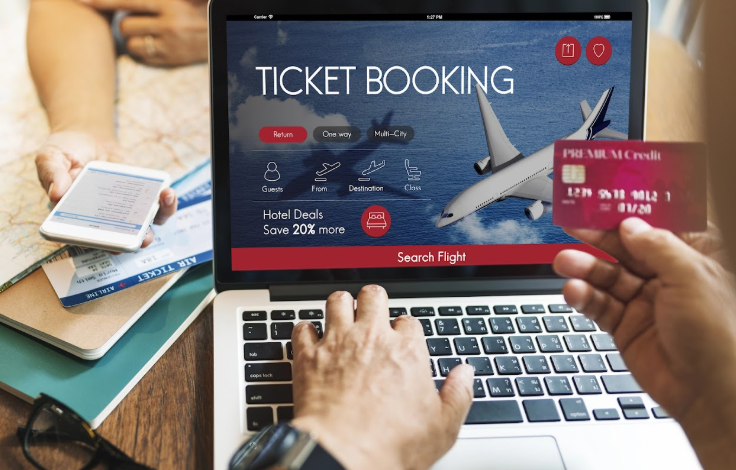
The process of securing international air tickets involves navigating a complex marketplace where dozens of variables influence pricing, availability, and overall travel experience. For those planning journeys to the Indian subcontinent, understanding these factors transforms booking from potentially frustrating guesswork into strategic planning that consistently delivers excellent value. Whether traveling for business, visiting family, or exploring India’s incredible cultural and geographic diversity, making informed booking decisions establishes the foundation for successful trips.
Modern travelers benefit from unprecedented access to information and booking tools that previous generations could never imagine. However, this abundance creates new challenges as sorting through countless options, contradictory advice, and overwhelming choices can paralyze decision-making. When individuals book air tickets to India, they need clear frameworks for evaluating options and identifying genuine value among hundreds of potential combinations. Utilizing platforms like MyFlyYatra to book flight tickets to India streamlines this process by presenting curated options across multiple airlines and booking classes, making comparisons straightforward and highlighting opportunities that might otherwise be missed.
The Indian aviation market has transformed dramatically over recent decades, evolving from limited options dominated by few carriers to today’s highly competitive environment featuring numerous airlines, routing choices, and service levels. This evolution benefits consumers through increased options and competitive pricing, though successfully navigating the marketplace requires understanding how various factors interact to create the pricing and availability travelers encounter when researching flights.
Decoding Airline Pricing Strategies
Airlines employ sophisticated revenue management systems continuously adjusting fares based on booking velocity, competitor pricing, remaining inventory, and historical demand patterns. These algorithms create dynamic pricing where identical seats on the same flight might sell for dramatically different amounts depending on purchase timing. Understanding this reality helps travelers recognize that patience and strategic timing often reward flexible travelers with substantially better deals than those booking impulsively.


Price discrimination strategies segment passengers into various categories—business travelers needing flexibility, leisure travelers prioritizing cost savings, last-minute bookers facing time pressures—with distinct pricing targeting each group. Flexible refundable tickets command premiums appealing to business travelers whose plans might change, while restricted non-refundable fares target price-sensitive leisure travelers willing to accept limitations for cost savings.
Fare buckets organize available seats into multiple pricing tiers, each with specific inventory allocations and booking rules. Once lower-priced buckets sell out, only higher-priced categories remain available. This structure explains why procrastination often results in higher costs, though exceptions occur when airlines discount remaining inventory close to departure if flights aren’t filling as anticipated.
Competitive route dynamics significantly affect pricing, with heavily traveled corridors typically offering better values due to multiple carriers competing for passengers. Routes served by single carriers or limited competition often see elevated pricing reflecting reduced competitive pressure. Researching which airlines serve desired routes and understanding competitive positioning helps travelers identify opportunities for better deals.
Strategic Departure and Arrival City Selection
Gateway city choice profoundly impacts both pricing and travel convenience. Major US hubs like New York, Newark, Chicago, San Francisco, and Los Angeles offer numerous India flight options with competitive pricing driven by high passenger volumes and multiple carrier competition. However, travelers in secondary cities sometimes achieve better overall value connecting through these hubs versus limited direct options from hometown airports despite added connection complexity.
India’s multiple international airports present destination choices beyond just Delhi and Mumbai. Bangalore, Chennai, Hyderabad, and Kolkata all serve as international gateways with varying pricing and connection options. Sometimes flying into alternative airports and arranging separate domestic connections to final destinations costs less than direct international flights to those cities, though this strategy requires coordinating connections and understanding visa rules for domestic onward travel.
Open-jaw ticketing—arriving and departing from different cities—provides flexibility for travelers planning to explore multiple regions during visits. Rather than backtracking to departure airports, open-jaw tickets let travelers design logical itineraries visiting various areas while potentially reducing total airfare costs. This approach particularly suits longer trips where extensive overland travel between Indian cities forms part of the adventure.
Positioning flights help travelers in smaller cities reach major hubs offering better international options. While adding complexity through separate ticket bookings and self-transfer requirements, this approach sometimes delivers substantial savings versus expensive connecting tickets from hometown airports. Careful timing ensures adequate connection margins since separate tickets provide no protection if initial flights delay.
See also: How to Maintain Your Health and Wellness Routine While Traveling Abroad
Evaluating Routing Options and Connection Choices
Direct flights minimize travel time and eliminate connection complications, making them attractive despite typically higher costs. Carriers like Air India and United operate nonstop services between major US cities and Indian metros, with flight times ranging from fourteen to seventeen hours depending on routing and winds. These lengthy but efficient options appeal particularly to time-sensitive business travelers or those uncomfortable with connection complexity.
One-stop itineraries through Middle Eastern or European hubs often provide significant cost savings while breaking marathons into more manageable segments. Airlines like Emirates, Qatar Airways, Etihad, Lufthansa, British Airways, and Air France leverage their strategically positioned hubs to offer competitive pricing with modern aircraft and high service standards. Connection times range from brief ninety-minute transfers to extended layovers providing exploration opportunities.
Two-stop itineraries open additional possibilities for travelers prioritizing maximum cost savings over minimum travel time. While total journey times extend considerably, these complex routings sometimes cost hundreds or even a thousand dollars less than direct alternatives. Evaluating whether time savings justify premium costs depends on individual priorities, schedule flexibility, and budget constraints.
Layover duration significantly impacts travel experience. Brief connections under two hours create stress and missed connection risks, particularly in large, complex airports or when clearing customs/immigration. Comfortable connection windows of three to five hours provide cushion for delays while avoiding excessive airport idle time. Extended layovers exceeding six hours might justify exploring connection cities rather than remaining airside throughout.
Seat Selection Strategies for Long-Haul Comfort
Seating position dramatically affects comfort during fifteen-plus hour journeys to India. Window seats allow leaning against walls for sleeping and provide views during daylight segments, though requiring disturbing neighbors for lavatory access. Aisle seats offer easy movement and stretching opportunities without climbing over others, though facing potential disturbance from passing traffic and service carts.
Bulkhead seats provide extra legroom and eliminate concerns about recliners invading space, though often restrict underseat storage during takeoff and landing. Exit row seating offers generous legroom though sometimes with seat width reductions to accommodate tray table storage in armrests and requirements that passengers assist during emergencies if needed.
Avoiding seats near lavatories and galleys prevents noise and traffic disruptions throughout flights. While showing as available when other seats are taken, these locations compromise rest quality through constant activity and conversation. Researching specific aircraft configurations through sites like SeatGuru helps identify optimal and problematic seating areas before selection.
Premium economy cabins provide middle-ground options between standard economy and business class, with enhanced seat comfort, additional legroom, upgraded meals, and better entertainment systems at prices substantially below business class. For long transoceanic flights, premium economy delivers attractive value for travelers prioritizing comfort without premium cabin budgets.
Documentation and Visa Requirements
Valid passports with minimum six months remaining validity beyond intended return dates represent essential documentation for international travel. Many travelers don’t realize their passports are approaching expiration until researching trips, discovering renewal processes requiring weeks or months. Early verification prevents last-minute complications potentially derailing travel plans.
Indian visa requirements for US citizens include several options depending on visit purposes and durations. Tourist e-visas provide convenient electronic approval within days for qualifying travelers, while traditional visas through consulates or visa services suit those needing extended validity or multiple-entry permissions. Understanding specific requirements and application timelines prevents issues that could prevent travel despite having flight tickets.
According to the U.S. Department of State, travelers should also verify any transit visa requirements for connection countries. Most European and Middle Eastern hubs allow airside transit without visas for US citizens during brief layovers, though specific rules vary. Confirming requirements for chosen routing prevents unexpected complications during international transfers that could prevent completing journeys to India.
Travel insurance provides valuable protection against unexpected disruptions including medical emergencies, trip cancellations, flight delays, and baggage issues. Comprehensive policies cover medical treatment abroad, emergency evacuation, trip interruption reimbursement, and lost luggage compensation. Given substantial costs of international flight tickets and potential expenses from unexpected disruptions, insurance premiums represent sound investments in trip protection.
Baggage Strategies and Packing Considerations
Understanding airline baggage policies prevents unexpected fees and complications. International flights typically allow more generous baggage allowances than domestic services, though specific policies vary significantly between carriers. Most full-service airlines permit one or two checked bags at fifty pounds each plus carry-on bags, while some connecting options charge separately for checked luggage.
Carry-on luggage should include essentials, medications, important documents, valuables, and sufficient supplies for potential baggage delays. Changes of clothes and basic toiletries in carry-ons prevent significant disruptions if checked bags are temporarily misplaced. Electronics, chargers, travel adapters, and entertainment devices deserve carry-on priority for long-haul flights.
Checked baggage packing requires balancing quantity against weight limits and fee structures. Exceeding weight restrictions triggers substantial excess baggage charges often exceeding costs of shipping items separately. Strategic packing maximizing allowances without overages requires accurate luggage weighing before airport arrival, avoiding surprises at check-in counters.
Clothing selections should consider India’s diverse climates across regions and seasons. Northern areas experience cold winters while southern regions remain warm year-round. Layering provides flexibility addressing temperature variations while meeting cultural dress expectations for visiting religious sites or conservative areas. Comfortable walking shoes prove essential for extensive exploration common throughout Indian cities and attractions.
Health and Safety Preparations
Medical preparations begin weeks before departure with consultations addressing recommended vaccinations for travelers to India. While no vaccinations are mandatory for US citizens, health authorities recommend several immunizations depending on planned activities and destinations. Travel medicine specialists provide guidance based on specific itineraries and individual health histories.
Prescription medications require planning including adequate supplies for entire trips plus reasonable buffers for potential delays. Medications should remain in original containers with copies of prescriptions accessible if questioned by authorities. Some medications legal in the US face restrictions elsewhere, making advance verification important for travelers requiring specific treatments.
Travel health insurance supplements standard policies with coverage for international medical treatment and emergency evacuation excluded from most domestic plans. Medical costs and evacuation expenses can reach hundreds of thousands of dollars when serious illnesses or injuries occur abroad, making specialized travel medical insurance valuable protection for international travelers.
Money Management and Payment Planning
Currency and payment preparation ensures smooth financial transactions throughout trips. While credit cards see increasing acceptance in major Indian cities, cash remains essential for many transactions, particularly in smaller towns and rural areas. Understanding currency exchange options, ATM availability, transaction fees, and daily withdrawal limits helps travelers manage finances efficiently.
Notifying banks and credit card companies about international travel prevents security holds that might block access to funds when making overseas purchases. Providing advance notice establishes expected international activity patterns, reducing false fraud alerts that could strand travelers without payment access far from home.
Carrying backup payment methods protects against card loss, theft, or unexpected acceptance issues. Multiple credit cards from different issuers, ATM cards on separate networks, and emergency cash reserves ensure payment flexibility regardless of circumstances encountered during travels.
Maximizing Stopover Opportunities
Extended layovers transform potential inconveniences into opportunities for exploring additional cities during single trips. Many airlines offer free or discounted stopover programs allowing passengers to spend days exploring hub cities before continuing to final destinations. Programs through Turkish Airlines in Istanbul, Icelandic Air in Reykjavik, or various Middle Eastern carriers provide incredible value for travelers with flexible schedules.
Transit visa rules vary by country, with many allowing short visits for connecting passengers without separate visa applications. Understanding specific requirements enables planning brief city explorations during long layovers rather than spending entire periods confined to airport terminals. Even four to six hour connections allow brief city center visits in airports with efficient transportation links.
Conclusion: Informed Decisions Create Successful Journeys
Booking air tickets to India successfully combines market knowledge, strategic planning, and systematic evaluation of available options. Travelers who invest time understanding pricing dynamics, researching routing alternatives, and carefully considering trade-offs between cost and convenience consistently achieve superior outcomes compared to those making rushed decisions based on limited information.
The journey to India begins long before boarding flights, with comprehensive planning establishing foundations for remarkable experiences. Strategic booking approaches maximize value while ensuring reliable, comfortable travel arrangements that support rather than complicate overall trip objectives. With proper preparation and informed decision-making, flights become enabling elements facilitating focus on the incredible experiences awaiting travelers throughout India’s diverse landscapes and rich cultural heritage.