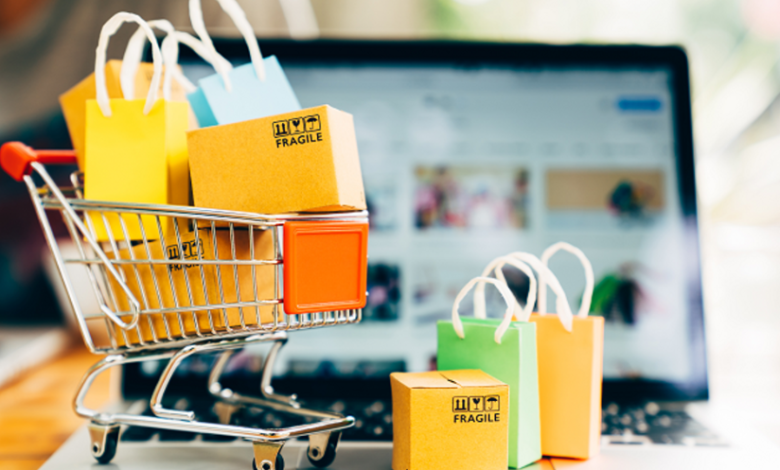
Online shopping offers a world of convenience, but it comes with a significant challenge: you can’t touch, feel, or physically inspect what you’re buying. This digital divide can make it difficult to determine whether a product is a durable investment or a disappointment waiting to happen. The good news is that with a bit of know-how, you can become an expert at identifying quality from your screen.
This guide will provide you with actionable strategies to spot high-quality products online. We will cover everything from dissecting product descriptions and scrutinizing images to reading between the lines of customer reviews. By learning these skills, you can shop with confidence and fill your cart with items that deliver lasting value.
1. Become a Product Page Detective
The product page is your primary source of information, and it’s filled with clues about an item’s quality. Learning to analyze it effectively is the first step toward making a smarter purchase.
Scrutinize the Product Description
A detailed, transparent product description is a sign of a confident brand. Vague or generic descriptions can be a red flag. For apparel, look for specific information about the fabric composition. A listing that says “100% combed cotton” or “a premium blend of 80% cotton and 20% polyester” is far more informative than one that just says “cotton blend.”


High-quality brands are proud of their materials and construction. They’ll often provide details about the fabric’s weight, the type of stitching used, or special features. For example, a well-made sweatshirt description might mention flatlock seams for comfort or ribbed cuffs and hem for shape retention. This level of detail shows an investment in quality that goes beyond surface-level aesthetics.
Analyze the Product Photography
High-resolution images from multiple angles are essential. A quality-focused brand will provide clear photos that let you see the product up close. Use the zoom function to inspect the details. For clothing, look at the seams. Are they straight and neat? Does the fabric texture look substantial?
Pay attention to how the item is presented. On apparel, does it fit the model well, or does it look bunched or ill-fitting? For hard goods, do the joints and finishes look clean and precise? A lack of detailed photos or the use of blurry, low-quality images may suggest the seller has something to hide.
2. Decode Customer Reviews and Ratings
Customer reviews are a goldmine of information, but they require critical reading. A simple star rating doesn’t tell the whole story.
Look for Substance, Not Just Stars
The most helpful reviews are those that provide specific, descriptive feedback. A comment like, “This sweatshirt is incredibly soft and hasn’t pilled after five washes,” is much more valuable than a generic “I love it!” Look for reviews that talk about the product’s real-world performance over time.
Pay close attention to reviews that mention fit, feel, and durability. For instance, when considering an item like a parke Sweatshirt, reviews detailing its softness, warmth, and how well it maintains its tailored shape offer genuine insight into its quality. Balanced reviews that mention both pros and cons are often the most trustworthy.
Identify Recurring Themes
One negative review could be an anomaly, but multiple reviews mentioning the same problem signal a potential pattern. If several customers complain that a shirt shrinks significantly or that a zipper breaks after a few uses, take it as a serious warning.
Conversely, consistent praise for specific features—like the sturdiness of a backpack’s straps or the vibrant, non-fading color of a piece of clothing—is a strong indicator of quality. These recurring themes give you a reliable consensus on the product’s strengths and weaknesses.
3. Evaluate the Brand’s Reputation
A product is only as reliable as the company that makes it. A brand’s reputation for quality and customer service provides a crucial safety net for your purchase.
Investigate the Brand’s Story and Values
Brands that are committed to quality often have a clear mission. Explore the “About Us” page on their website. Do they talk about their dedication to craftsmanship, ethical sourcing, or innovative design? Companies that prioritize these values are more likely to produce high-quality goods. Brands like parke often build their identity around creating durable, functional, and timeless essentials, signaling a focus on long-term customer satisfaction.
Check the Return Policy and Customer Support
A transparent, fair, and easy-to-understand return policy is a huge vote of confidence. If a company makes returns difficult or costly, it might be because they deal with a high volume of them due to poor product quality. Look for a hassle-free return process and accessible customer support channels. A brand that offers support via phone, email, and live chat shows that it stands behind its products and cares about its customers.
See also: The Future of IT Support Solutions in Los Angeles: What Businesses Should Know
4. Understand Price vs. Value
While everyone loves a bargain, the lowest price isn’t always the best deal. Smart shoppers know how to differentiate between cheap products and those that offer good value.
Consider the Cost-Per-Wear
For items like clothing and accessories, think about the “cost-per-wear.” A $20 t-shirt that you have to replace after a few months is more expensive in the long run than a $40 t-shirt that lasts for years. Investing in well-made staples reduces waste and saves you money over time. High-quality products are often designed for longevity, making them a more economical choice despite a higher initial price.
Be Skeptical of Extreme Discounts
Extremely low prices on items that are typically expensive can be a sign of a counterfeit product or one made with inferior materials. If a deal seems too good to be true, it probably is. True value is found when a fairly priced, high-quality item goes on a legitimate sale, not when a cheaply made product is given a deceptively high “original” price.
Your Path to Smarter Shopping
Navigating the digital marketplace doesn’t have to be a game of chance. By adopting a more analytical approach, you can easily identify products that are built to last. Remember to meticulously examine product pages, read reviews with a critical eye, assess the brand’s reputation, and focus on long-term value instead of just the initial price.
With these skills in your toolkit, you can shop online with greater confidence, ensuring that the items arriving at your doorstep are ones you will appreciate and use for years to come.