Browse Registry Search Records for 3444351890, 3920562275, 3444704486, 3894966993, 3203390898

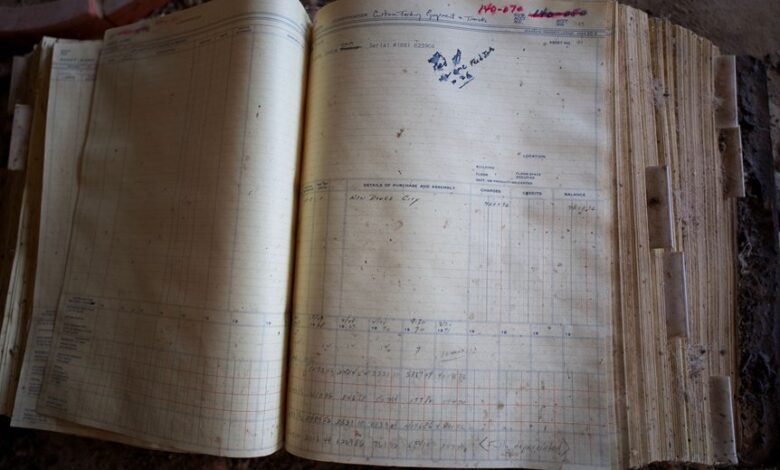
Registry search records for the numeric identifiers 3444351890, 3920562275, 3444704486, 3894966993, and 3203390898 require careful provenance work. A structured approach is needed to verify ownership, status, and historical links across sources. The discussion should weigh data lineage, cross-check fields, and flag anomalies. The goal is to establish credible, traceable conclusions while outlining decision rationales. The outcome will point to where further validation is essential and what specifics warrant close attention next.
What Are Registry Search Records and Why They Matter
Registry search records are standardized logs that document inquiries into a registry database to verify asset ownership, legal status, or historical associations. They function as verifiable traces that illuminate provenance, enabling accountable assessments and informed decisions. In this context, registry searches reveal data provenance by linking records to authentic sources, fostering transparency, trust, and freedom to pursue informed, autonomous actions grounded in documented evidence.
How to Prepare Your Registry Search for These Numbers
Preparing a registry search for these numbers requires a structured approach that builds on understanding provenance and verification from the previous discussion. The procedure emphasizes disciplined data collection, source vetting, and note-taking to support flexible inquiry. In practice, this enables rigorous registry search and careful data interpretation, ensuring transparent methods, reproducible results, and informed interpretation while preserving intellectual freedom and analytical integrity.
Step-by-Step: Interpreting Results for 3444351890, 3920562275, 3444704486, 3894966993, 3203390898
What patterns emerge when interpreting results for the five numbers—3444351890, 3920562275, 3444704486, 3894966993, and 3203390898—and how do these patterns inform subsequent verification steps?


The analysis identifies recurring attribute clusters, cross-field consistencies, and anomaly flags, enabling targeted checks. Observations guide two word, two word strategies: concise triage and precise documentation. Two word, two word frameworks support disciplined interpretation and measured follow-up actions.
Practical NextSteps: Verifying, Documenting, and Acting on Findings
An immediate, structured verification plan is essential to translate prior patterns into actionable steps. The approach emphasizes practical verification of findings, tracking sources, and mitigating biases through reproducible methods. Subsequently, actionable documentation records decisions, rationales, and data lineage. Finally, informed action prioritizes risk-based remediation, iterative validation, and transparent communication, enabling stakeholders to pursue liberty with confidence and accountability.
Conclusion
This brief conclusion, delivered in a detached, satirical tone, frames registry-search rigor as a late-night detective farce. Picture meticulous analysts poring over barren data deserts, coaxing provenance from dusty logs, cross-checking fields like meticulous librarians armored in skepticism. Each number reluctantly yields a breadcrumb, not a confession, while anomalies wink from the margins. The method remains transparent, reproducible, and risk-aware, turning bureaucratic tedium into a mock-serious quest for authentic provenance and verifiable history.