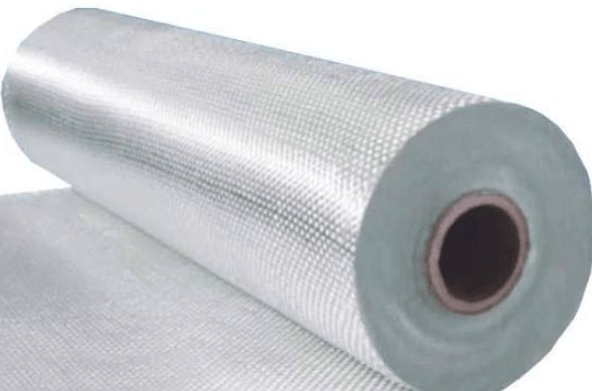
Behind the vast majority of composite products in use today, from boat hulls to wind turbine blades, lies a foundational reinforcement material that rarely gets much attention despite its critical structural role. Woven fiberglass fabric continues to serve as one of the most widely used reinforcement materials in composite manufacturing, and understanding its properties helps engineers make informed material selection decisions.
The Basic Structure and Function
Woven fiberglass fabric consists of continuous glass fibers woven into a fabric structure, similar in principle to textile weaving but using glass filaments rather than natural or synthetic textile fibers. This woven structure provides multi-directional strength, since fibers running in different directions (commonly referred to as warp and weft) distribute structural loads more evenly compared to unidirectional fiber arrangements that offer strength primarily along a single axis.
Why Weave Pattern Matters
Different weave patterns, including plain weave, twill weave, and satin weave, produce fabrics with distinct handling characteristics and mechanical properties. Plain weave fabrics tend to offer good stability and are relatively easy to handle during manufacturing, while twill weaves generally drape more easily over curved or complex mold surfaces, making them preferable for parts with significant contour or shape complexity.


Manufacturers selecting woven fiberglass fabric for a specific application need to weigh these handling characteristics against the structural requirements of the finished part, since a fabric that’s difficult to properly conform to a complex mold shape can introduce wrinkles or voids that compromise the structural integrity of the final composite laminate.
Fiber Weight and Composite Strength
Fabric weight, typically measured in grams per square meter, directly affects the resin-to-fiber ratio achievable in the finished composite and, consequently, the strength-to-weight characteristics of the final part. Heavier fabrics generally provide greater strength per layer but require more resin to properly saturate the fiber structure, while lighter fabrics allow finer control over laminate thickness for applications where precise weight management matters significantly.
See also: Preventing Turf Disease: Essential Tips for a Healthy Lawn
Compatibility With Resin Systems
Woven fiberglass fabric needs to be compatible with the specific resin system used in a given manufacturing process, whether polyester, vinyl ester, or epoxy resin, since fiber sizing treatments (the chemical coating applied to fiberglass during manufacturing) are often optimized for compatibility with specific resin chemistries. Using a fabric with sizing incompatible with the intended resin system can result in poor fiber-to-resin bonding, ultimately weakening the finished composite structure.
Common Industrial Applications
Woven fiberglass fabric serves an enormously broad range of applications, including marine hull construction, automotive body panels, wind energy components, and various industrial equipment housings. Its combination of reasonable cost, good structural performance, and manufacturing flexibility has kept it a mainstay reinforcement material even as newer, higher-performance fiber options like carbon fiber have gained market share in premium applications.
Quality Considerations When Sourcing Fabric
Manufacturers sourcing woven fiberglass fabric should evaluate consistency in fiber count, weave tightness, and fabric weight across production batches, since variability between batches can introduce inconsistency into the mechanical properties of finished composite parts, particularly problematic for manufacturers producing safety-critical or structurally demanding components.
Conclusion
Woven fiberglass fabric remains a foundational material in composite manufacturing despite the emergence of newer reinforcement technologies, thanks to its practical balance of cost, performance, and manufacturing flexibility. Careful attention to weave pattern, fabric weight, and resin compatibility ensures manufacturers get consistent, reliable structural performance from this widely used material.
FAQs
Q1: What’s the difference between plain weave and twill weave fiberglass fabric? Plain weave offers good stability and easier handling, while twill weave drapes more readily over curved or complex mold surfaces, making it preferable for shaped parts.
Q2: How does fabric weight affect composite part strength? Heavier fabrics generally provide more strength per layer but require more resin, while lighter fabrics allow finer control over laminate thickness for precision applications.
Q3: Why does resin compatibility matter when selecting fiberglass fabric? Fiber sizing treatments are often optimized for specific resin chemistries, and mismatched compatibility can result in poor fiber-to-resin bonding that weakens the final composite.